In a world where smartphones are practically an extension of ourselves, protecting that precious device is no laughing matter. But why settle for a boring back cover when you can make a statement? Smartphone back covers aren’t just about protection; they’re your phone’s wardrobe. From sleek leather to quirky designs, there’s a cover for every personality—whether you’re the adventurous type or the chic minimalist.
Overview of Smartphone Back Covers
Smartphone back covers serve essential protective functions, safeguarding devices from damage caused by drops and scratches. They also enhance the aesthetics of smartphones, allowing users to express personal style and preferences.
Materials used for back covers vary greatly. Silicone, for instance, provides a soft grip, while plastic offers durable protection. Leather exudes elegance, appealing to those who favor sophistication. Each material presents unique benefits, catering to diverse user needs.
Numerous types of back covers exist in the market. Slim cases maintain a phone’s sleek profile, while rugged cases offer maximum defense during extreme activities. Some users opt for clear covers that showcase the original design of their smartphones. Others favor customizable covers, enabling the addition of unique images or designs.
Brands also contribute to the variety of options in smartphone back covers. Popular brands, such as OtterBox, Spigen, and Caseology, have earned reputations for quality and durability. Many of these brands offer warranties, reflecting their commitment to customer satisfaction and product longevity.
In addition to aesthetics and protection, smartphone back covers provide functionality. Many designs feature card slots or kickstands, enhancing user convenience. Some covers even include battery packs, extending device usability during busy days.
Overall, the selection of smartphone back covers combines protection and personalization. Users can choose options that align with their lifestyle, offering both form and function. This variety ensures that there’s a perfect cover for every individual, enhancing both the device’s appearance and its durability.
Types of Smartphone Back Covers
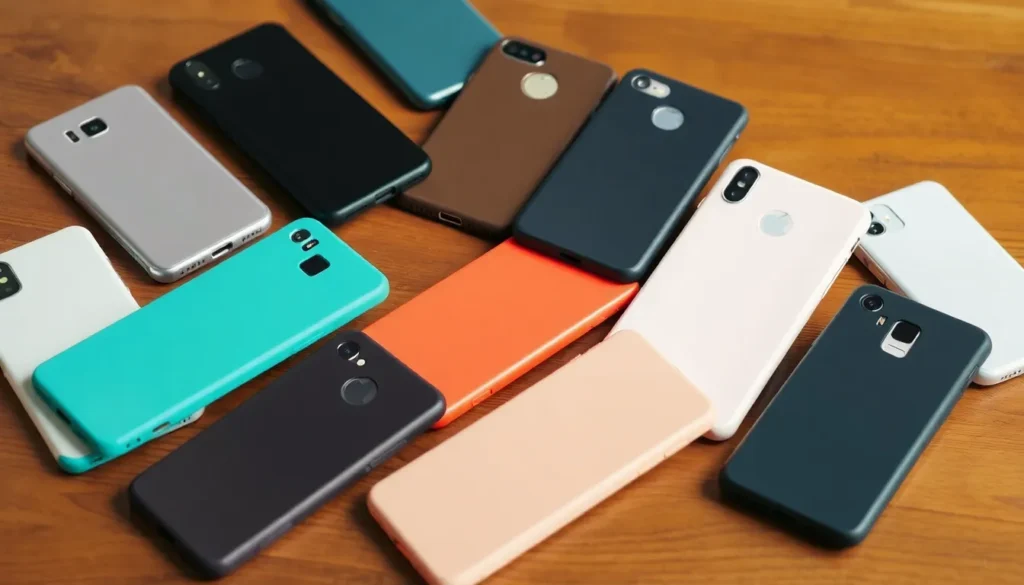
Smartphone back covers come in several types, each catering to various user preferences and needs. They enhance protection while allowing for personal expression.
Hard Shell Covers
Hard shell covers feature rigid materials like polycarbonate or hard plastic. These cases provide robust protection against drops and impacts. With designs ranging from sleek to rugged, these covers suit various aesthetics. Many brands offer hard shell covers with precise cutouts for buttons and ports, ensuring usability. The durability of these covers often translates to a longer lifespan for the device, reducing the likelihood of damage.
Soft Shell Covers
Soft shell covers typically use silicone or TPU (thermoplastic polyurethane). These flexible materials provide a snug fit and shock absorption during falls. Soft shell options often prioritize grip, reducing the chances of accidental slips. Available in various colors and patterns, users can choose to match their personalities. Additionally, these covers usually weigh less than hard shells, making them a lightweight option for everyday use.
Wallet Cases
Wallet cases combine protection with utility. They often feature slots for cards and cash, eliminating the need for carrying a separate wallet. Crafted from materials like leather or faux leather, these cases offer a sophisticated look. Many wallet cases also have a folio design, allowing for device stand capabilities. This type of cover adds convenience, making it ideal for individuals on the go.
Material Choices for Smartphone Back Covers
Selecting the right material for smartphone back covers significantly impacts both protection and style. Several materials offer distinct advantages, appealing to different user preferences.
Plastic
Plastic covers dominate the market due to their variety and cost-effectiveness. This material provides durability, often featuring robust designs that absorb shocks from drops. Many plastic covers come with additional features such as raised edges for screen protection. Users appreciate lightweight options, which add minimal bulk to devices. Brands like Spigen and Caseology utilize high-quality plastics to ensure longevity and performance. Various colors and finishes allow personalization, catering to diverse tastes.
Leather
Leather covers bring an air of sophistication to smartphone protection. Crafted from genuine or synthetic leather, these covers evoke luxury while providing decent protection. The tactile feel of leather enhances grip, reducing the chances of accidental drops. Many leather options feature compartments for cards and cash, combining style with function. Users favor these covers for their timeless appeal and weathered look that develops unique character over time. Brands often offer leather covers in muted or vibrant colors, aligning with different lifestyles.
Silicone
Silicone back covers are popular for their soft-touch feel and shock-absorbing properties. This flexible material conforms to the device, providing a snug fit without adding significant weight. Users find silicone covers to be highly protective against scratches and impacts. Many options feature textured surfaces for improved grip, preventing slippage. Various colors and designs make silicone covers appealing for those looking to express their personality. Brands emphasize the easy installation and removal of silicone covers, enhancing user convenience.
Benefits of Using Smartphone Back Covers
Smartphone back covers offer significant advantages, enhancing both the protection and personalization of devices.
Protection
Protection remains a primary benefit of smartphone back covers. Various materials like plastic and silicone absorb shocks effectively, minimizing damage from accidental drops. Durable hard shell covers provide robust defense against dents and scratches. Soft shell options, made from flexible materials, absorb impacts while ensuring a comfortable grip. Comprehensive coverage shields vulnerable parts of the phone, including edges and the camera. These covers significantly reduce repair costs and extend the device’s lifespan. Users can confidently use their smartphones, knowing they’re safeguarded against daily wear and tear.
Personalization
Personalization transforms a standard smartphone into a unique expression of individual style. With diverse designs available, users can select colors and patterns that resonate with their personalities. Choices range from sleek leather to vibrant silicone options. Customizable back covers allow for unique designs, including photos or artwork, creating a one-of-a-kind accessory. Individuals can also choose covers featuring favorite characters or themes, making a statement wherever they go. This variety of choices caters to different preferences, ensuring that each user finds a cover that reflects their identity.
Enhanced Grip
Enhanced grip is another key benefit of smartphone back covers. Textured surfaces or rubberized finishes improve handling, reducing the chances of accidental slips. Covers featuring raised edges provide additional protection for screens and cameras when placed face down. Users benefit from the snug fit offered by soft shell options, which conform to the phone’s shape. This increased friction allows for easier one-handed use and more confident transitions between tasks. Ultimately, enhanced grip contributes to a better overall user experience, promoting safer device usage in various settings.
Popular Brands and Options
OtterBox remains a top choice for protective smartphone back covers, especially with its rugged designs catering to adventurers. Spigen stands out with its balance of style and durability, offering slim profiles without sacrificing protection. Caseology combines elegance with functionality, showcasing various options that appeal to design-conscious users.
In addition to these well-known brands, users often explore alternatives like Ringke and UAG, both providing robust protection and unique designs. Each brand presents diverse materials, including silicone, which delivers flexibility, and polycarbonate, known for its strength.
Various types of covers are available to fit different lifestyles. Slim cases prioritize lightweight form, perfect for minimalists. Rugged cases excel in protection, ideal for those who frequently drop their devices. Clear covers showcase original smartphone colors while adding a protective layer.
Customizable options also attract users looking to express individuality. Many brands allow users to select designs, colors, and even add personal images to their covers. Features like card slots and kickstands enhance usability, making covers not just protective but practical.
Pricing varies, with basic covers starting around $10 and premium options reaching $50 or more, reflecting quality and features. Users often appreciate warranties included with higher-end brands, providing peace of mind against defects. Shoppers can find suitable options online or in retail stores, ensuring access to a wide selection that meets their specific needs.
Choosing the right smartphone back cover is essential for both protection and personal expression. With a myriad of options available, users can find a cover that not only safeguards their device but also reflects their unique style. Whether opting for a rugged case for maximum durability or a sleek cover for a minimalist look, the right choice enhances the overall user experience.
Investing in a quality back cover can significantly extend the lifespan of a smartphone while adding functionality and flair. As technology continues to evolve, so do the designs and materials, ensuring there’s something for everyone. Embracing this blend of protection and personalization transforms a simple smartphone into a statement piece.