
Imagine stepping into a world where sound wraps around you like a cozy blanket, making every moment feel like a blockbuster movie scene. Immersive sound experiences are revolutionizing how people engage with audio, turning mundane moments into unforgettable adventures. Whether it’s a concert that makes you feel like you’re front row or a virtual reality game that transports you to another dimension, the power of sound is truly magical.
But let’s be real—who wouldn’t want to feel like they’re in a Hollywood thriller while binge-watching their favorite series? With advancements in technology, immersive sound is no longer just for audiophiles; it’s for everyone who craves a little extra excitement in their lives. Dive into the world of immersive sound experiences and discover how they can transform your listening habits from ordinary to extraordinary.
What Are Immersive Sound Experiences?
Immersive sound experiences encompass audio environments where the listener feels enveloped by sound from all directions. These audio experiences often employ advanced technology to create realistic soundscapes, which enhance the overall engagement with content. Surround sound systems, binaural audio recordings, and spatial audio techniques contribute significantly to the depth of these experiences.
Listeners often report heightened emotional responses when they engage with immersive audio. For instance, watching a movie with a surround sound setup can transport a viewer into the scene, making them part of the action. Activities like gaming also benefit, as players can locate enemies or navigate environments more intuitively through precise sound cues.
The rise of virtual reality (VR) and augmented reality (AR) has further emphasized the importance of immersive sound. VR environments utilize 360-degree audio to create an authentic sense of presence, allowing users to interact more naturally with virtual worlds. Similarly, music experiences have evolved, with some artists producing tracks specifically with immersive audio in mind.
Furthermore, accessibility improvements have expanded the reach of these experiences. With affordable technology, many people can now enjoy immersive sound without extensive investment. High-definition headphones and home theater systems have made it easier than ever to transform ordinary moments into extraordinary ones.
Whether it’s an intense gaming session or a cinematic masterpiece, immersive sound experiences deliver a rich auditory landscape that enhances overall enjoyment and engagement.
Key Elements of Immersive Sound Experiences
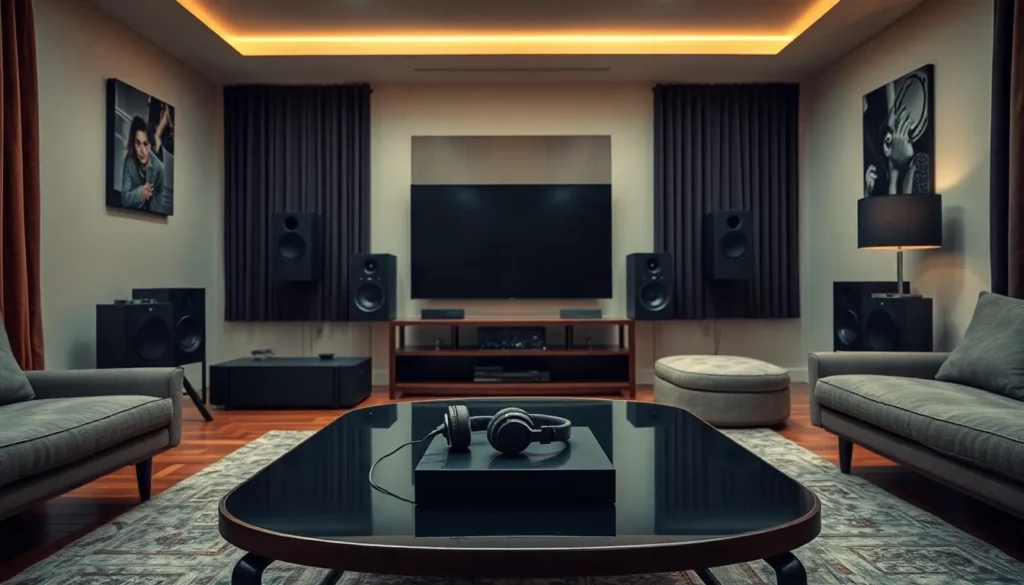
Immersive sound experiences rely on advanced technologies and sound design techniques to create a captivating audio environment. These elements significantly enhance the listener’s engagement, making experiences more impactful.
Spatial Audio Technology
Spatial audio technology creates a three-dimensional sound experience. This technique allows sounds to originate from various directions, enhancing realism. Listeners perceive sound as if it’s coming from above, below, or around them, which amplifies emotional engagement. By simulating a realistic sound environment, spatial audio transforms normal experiences, such as watching films or playing video games. Devices like home theater systems and headphones equipped with this technology facilitate immersive experiences, promoting deeper connections with the content presented. Users enjoy a heightened sense of presence and involvement as a result of this 360-degree soundscape.
Binaural Sound Techniques
Binaural sound techniques utilize specialized recording methods to capture audio as the human ear perceives it. This approach involves using two microphones placed in a human-like configuration, replicating the way sound arrives at each ear. Listeners experience a realistic and immersive audio environment that mimics natural hearing. This technique excels in delivering an emotional response and offers a unique depth to storytelling, providing a more profound connection to the narrative. Many applications, including music production and virtual reality experiences, leverage binaural sound to create engaging auditory experiences. As a result, users become fully immersed in their audio environment and engage with content on a deeper level.
Applications of Immersive Sound Experiences
Immersive sound experiences find applications across various fields, enhancing interaction, engagement, and emotional connection.
Entertainment Industry
Immersive sound significantly transforms the entertainment industry. Viewers experience films in new ways as surround sound technologies create depth and clarity. In gaming, sound cues guide players, heightening tension and enhancing gameplay. Live concerts also benefit, allowing audiences to feel the music enveloping them from multiple directions. This technology has shifted how creators approach storytelling, emphasizing the importance of audio in creating an emotional response. Audio-focused experiences draw audiences deeper into narratives, making the content more memorable and engaging.
Therapeutic Uses
Therapeutic uses of immersive sound continue to grow. Research indicates sound therapy can reduce anxiety and improve mental well-being. Environments designed with immersive sound promote relaxation and healing, supporting practices like meditation and mindfulness. Patients exposed to specific soundscapes report decreased stress levels and increased comfort during medical procedures. For example, hospitals utilizing calming audio environments aid in patient recovery. This application extends to sleep therapy, where immersive sounds foster better sleep quality, addressing widespread sleep disorders.
Future Trends in Immersive Sound Experiences
Innovative sound technologies are shaping the future of immersive sound experiences. High-resolution audio formats gain popularity, providing listeners with richer and more detailed soundscapes. Spatial audio adoption expands across devices, enhancing how users perceive sound in both consumer electronics and professional settings.
Emerging algorithms analyze listener preferences, enabling tailored audio experiences. Personalized soundscapes engage users in unique ways, fostering deeper connections to content. As artificial intelligence integrates into sound design, automated mixing and engineering deliver high-quality audio with minimal human intervention.
Virtual reality platforms continue to emphasize sound, enhancing immersion in gaming and simulations. 360-degree audio will deepen the sense of presence within digital environments, leaving users feeling fully immersed. Augmented reality experiences will similarly utilize sound, blending virtual elements with the real world.
Streaming services increasingly provide immersive audio options, catering to users seeking enhanced listening experiences. Dolby Atmos and similar technologies will become mainstream, allowing consumers to enjoy an elevated level of audio fidelity. Enhanced headphones and speaker systems will further support this shift, enhancing home environments.
Wellness applications take advantage of immersive sound for mental health benefits. Guided meditations and relaxation exercises utilize soundscapes that promote calmness and focus. Research indicates that immersive auditory experiences can significantly improve users’ overall well-being.
Accessibility will improve as more affordable solutions enter the market. Devices equipped with advanced sound technologies will trickle down to consumers, making immersive sound experiences available to a wider audience. This democratization of technology will encourage more individuals to explore and benefit from immersive sound.
Immersive sound experiences are reshaping how people engage with audio in their daily lives. As technology continues to advance, the potential for deeper emotional connections through sound grows. Whether it’s enhancing a movie night or providing therapeutic benefits, these experiences offer a new dimension of enjoyment and relaxation.
With the rise of affordable technology and innovative sound design, immersive audio is no longer reserved for a select few. It’s accessible to everyone, inviting them to explore and appreciate the richness of sound in various contexts. As this trend evolves, the future promises even more exciting developments in the realm of immersive sound, making it an essential aspect of modern entertainment and wellness.