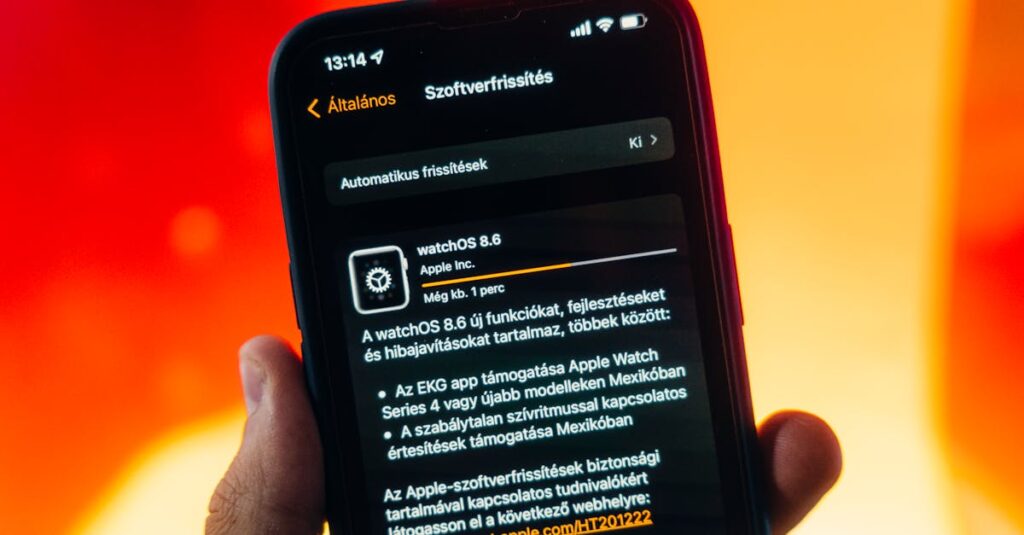
In a world where smartphones are practically an extension of ourselves, keeping up with mobile operating system updates is like refreshing your wardrobe—necessary and sometimes a little overwhelming. Just when you think you’ve mastered your device, a new update pops up, promising to make your phone faster, sleeker, and somehow more intelligent than your neighbor’s dog. But fear not! Embracing these updates can transform your phone into a powerhouse of features and security.
Table of Contents
ToggleOverview of Mobile Operating System Updates
Mobile operating system updates play a crucial role in enhancing device performance and security. These updates introduce various improvements, including faster processing speeds, refined user interfaces, and optimized battery management. Users often experience enhanced capabilities through new features that improve usability and functionality.
Security remains a primary focus of mobile operating system updates. Developers frequently release patches to address vulnerabilities that could compromise device safety. For instance, both Android and iOS update their systems regularly to reduce risks associated with malware and other threats. It’s important for users to install these updates promptly to protect their personal information.
Updates can vary significantly based on device model and manufacturer. Some smartphones receive regular updates within a few weeks after release, while others might see delays. Research shows that manufacturers like Apple frequently push timely updates compared to other brands. The frequency and speed of these updates can impact how secure and efficient a device remains.
In addition to security, updates often enhance the overall user experience. Better compatibility with apps and services emerges after an update installation. For example, new applications may require the latest operating system version, ensuring users access the most up-to-date features and functions.
Maintaining updated software also supports longevity for devices. Frequent updates can delay hardware replacement, which ultimately saves money. By keeping devices current with the latest operating system, users experience fewer performance issues and improved reliability.
Regular mobile operating system updates drive technological advancement while ensuring devices operate at optimal levels. Adopting these updates contributes to a better overall experience, aligning with the fast-paced advances in mobile technology.
Importance of Mobile Operating System Updates
Mobile operating system updates play a vital role in maintaining the overall functionality and security of smartphones. Staying current with these updates ensures devices operate at peak performance.
Security Enhancements
Updates frequently introduce crucial security enhancements. Developers regularly release patches that fix vulnerabilities, protecting devices from malware and breaches. Users who apply updates reduce the risk of unauthorized access to personal data. Timely updates bolster security measures, making smartphones more resilient against cyber threats. Devices that lag behind on updates may expose users to significant risks. Thus, timely installation of updates is necessary for safe mobile experiences.
Feature Improvements
Operating system updates bring feature improvements that elevate user experience. Enhancements often include faster processing speeds and refined user interfaces. Updates also streamline compatibility with the latest applications, ensuring users enjoy new functionalities. Significant optimizations can lead to better battery management and smoother multitasking. Users benefit from access to cutting-edge features that keep devices competitive. Overall, updates empower users to make the most of their technology.
Popular Mobile Operating Systems
Mobile operating systems dominate the smartphone market, primarily driven by Android and iOS. Both systems deliver distinct update strategies that significantly impact user experience.
Android Updates
Android updates come from various manufacturers, such as Samsung, Google, and OnePlus. Each brand has different schedules and release cycles. Major releases often occur annually, while security patches roll out more frequently, approximately every month. Users typically gain access to new features and improved performance with these updates. Device compatibility may vary; flagship models generally receive updates sooner than budget versions. Additionally, Android’s open-source nature encourages a vibrant developer community to produce custom ROMs, providing alternatives for those seeking unique experiences.
iOS Updates
iOS updates follow a more uniform approach, primarily controlled by Apple. New versions launch annually, usually alongside hardware releases. Users receive consistent updates across supported devices, typically available within days of announcement. Each release enhances security features, refines user interfaces, and introduces innovative functionalities. Timely updates help maintain performance across Apple’s ecosystem, ensuring a seamless experience across devices. Users often enjoy the latest features without worrying about manufacturer delays. Overall, iOS updates cater to a broad range of devices, optimizing functionality and security for millions of users.
Challenges in Mobile Operating System Updates
Mobile operating system updates face several challenges that can hinder their effectiveness and user adoption.
Fragmentation Issues
Fragmentation in the Android ecosystem presents a significant challenge. Various manufacturers implement different update schedules, causing delays in the rollout. Device models diversify the experience, with flagship phones receiving updates faster than budget devices. As a result, users may encounter inconsistencies in features and security patches. Furthermore, operators in this ecosystem often customize the user interface, complicating the update process. This situation creates a disjointed experience for users, leading to confusion and frustration. Developers also face difficulties ensuring that apps function correctly across multiple versions of the operating system.
User Adoption Rates
User adoption rates for updates vary widely among device users. Many individuals delay or ignore available updates due to concerns about system performance or battery life. A survey indicates that nearly 40% of users do not install updates within the recommended time frame. Some users express skepticism about the necessity of updates, preferring to keep their devices unchanged. User engagement with the update prompts also plays a critical role; notifications may not effectively convey the importance of timely installations. Optimizing the update experience through education and simplified processes can enhance overall adoption rates.
Future Trends in Mobile Operating System Updates
Emerging trends indicate an increasing emphasis on automated updates. These updates often occur in the background, reducing user interruption and promoting seamless experiences. Advanced features like machine learning are being integrated to anticipate user needs and tailor updates accordingly.
In addition, developers are focusing on enhancing security measures. Upcoming operating system updates are expected to include more robust encryption protocols and enhanced biometric authentication. These advancements aim to further protect users’ personal information amid rising cybersecurity threats.
Adoption of artificial intelligence is also set to play a major role in mobile updates. AI tools will likely optimize system performance and adapt to user habits, resulting in more personalized and efficient experiences. Such features could redefine how users interact with their devices.
Moreover, increased collaboration among manufacturers is anticipated. Tech companies are expected to develop standardized practices for updates, which could mitigate fragmentation issues within the Android ecosystem. Such collaboration can lead to faster, more consistent rollout of security patches and features across various devices.
Cloud integration will remain a key focus for future updates. By leveraging cloud-based services, updates can become lighter in terms of local storage impact, while ensuring users stay up-to-date with the latest functionalities and security fixes.
Finally, user education is essential in driving update adoption. As trends evolve, informing users about the importance of updates will help overcome skepticism and increase timely installations. Providing clear and concise information will encourage users to embrace updates and maintain optimal device performance.
Staying current with mobile operating system updates is essential for maximizing device performance and security. These updates not only enhance speed and functionality but also protect users from potential threats. As technology continues to evolve, embracing updates becomes increasingly important to ensure a smooth and safe mobile experience.
With the rise of automated updates and improved security measures, users can look forward to a more seamless integration of new features. Education on the benefits of timely updates will play a crucial role in encouraging adoption. By understanding the significance of these updates, users can enjoy the full capabilities of their devices while safeguarding their personal information.