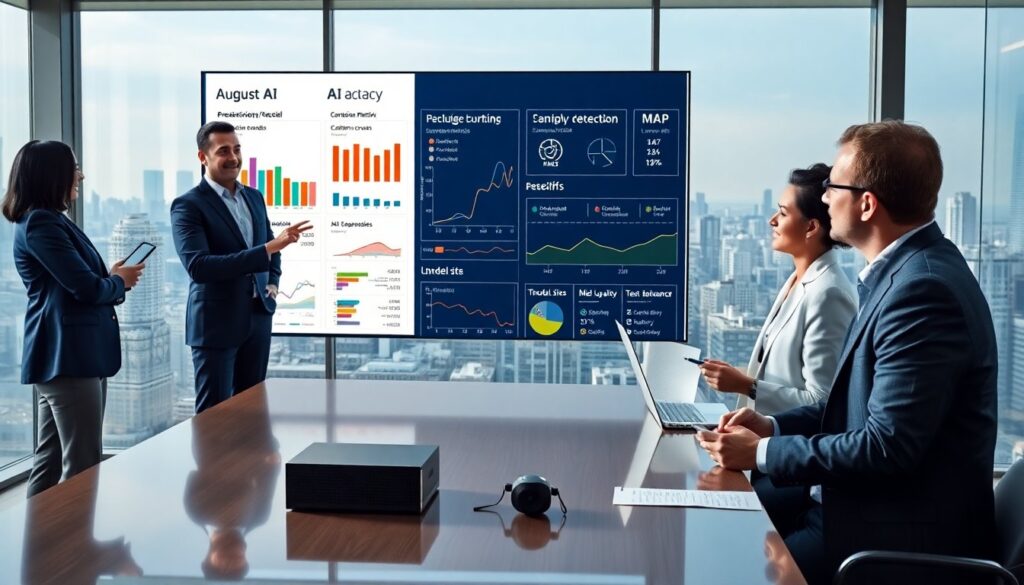
In a world where first impressions matter more than ever, audio visual technology is the secret sauce that transforms ordinary experiences into unforgettable ones. Imagine walking into a room where the lights dim, the sound envelops you, and visuals dance across the screen—suddenly, you’re not just a spectator; you’re part of the show. Whether it’s a corporate presentation that keeps everyone awake or a wedding that makes you laugh and cry, AV tech is the unsung hero behind the magic.
But what exactly is audio visual technology? It’s more than just fancy gadgets and flashy screens. It’s the art of combining sound and visuals to create immersive experiences that captivate audiences. From classrooms to concert halls, this technology shapes how we communicate and connect. Buckle up as we dive into the fascinating world of AV tech and discover why it’s the heartbeat of modern storytelling.
What Is Audio Visual Technology
Audio visual technology combines sound and visual components to enhance communication and experiences. This technology includes equipment and tools like projectors, microphones, speakers, and video displays. With its ability to engage audiences, AV technology plays a crucial role in various environments, including classrooms, corporate settings, and entertainment venues.
In classrooms, audio visual technology offers interactive learning opportunities that capture student attention. It enables educators to use multimedia presentations, making concepts easier to understand. Corporate settings utilize AV solutions for dynamic presentations and meetings, ensuring clear communication and effective information delivery.
Entertainment venues, from theaters to concert halls, rely on advanced audio visual setups to create immersive experiences. Concerts use high-quality sound systems and captivating visual displays to immerse audiences in performances. Live events expand their reach with streaming capabilities, allowing remote viewers to participate in real-time.
Production companies also leverage audio visual technology in film and television. High-definition cameras combined with sophisticated audio capture create polished, professional-quality content. Enhanced post-production techniques further improve the final product, ensuring viewer satisfaction.
Overall, audio visual technology is essential in facilitating communication, enhancing engagement, and fostering creativity across various industries. Its versatile applications continue to evolve, shaping how information is conveyed and experiences are shared.
Key Components of Audio Visual Technology
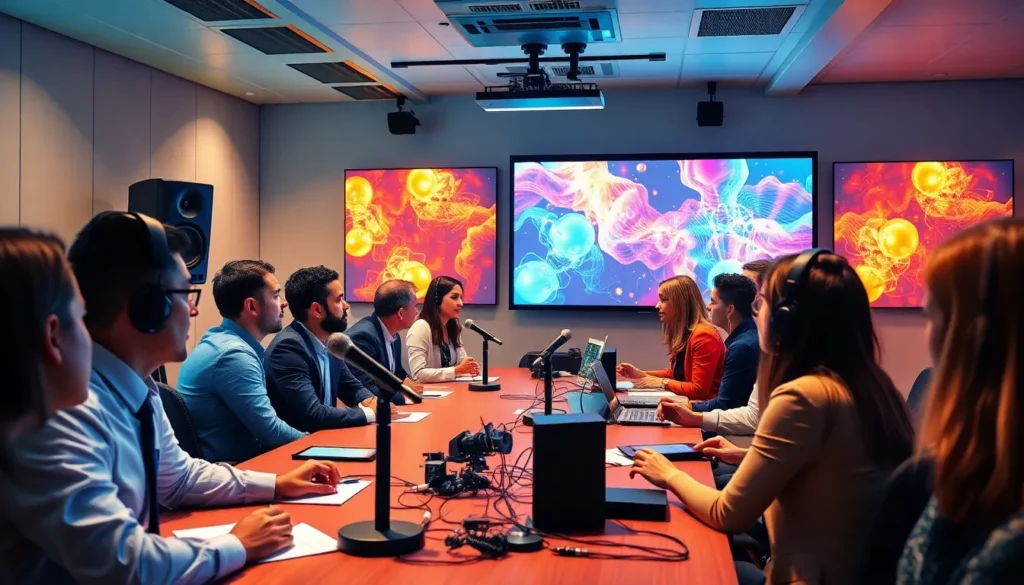
Audio visual technology comprises essential audio and visual equipment that collaborates to create immersive experiences. This technology enhances communication through sound and visuals in various settings.
Audio Equipment
Microphones capture sound with precision, ensuring voices are clear and audible. Speakers distribute sound widely, enhancing the listening experience for large audiences. Amplifiers boost audio signals, providing power to speakers for optimal performance. Mixing consoles combine multiple audio sources, allowing for effective sound management during events. Subwoofers deliver deep bass, enriching music and sound effects at concerts or conferences. Each audio component plays a crucial role in producing a seamless auditory experience.
Visual Equipment
Projectors facilitate the display of images and videos on large screens, ideal for presentations or events. LED and LCD screens provide high-resolution visuals with vibrant colors, enhancing viewer engagement. Video cameras capture live events or create content for broadcasts, maintaining clarity and detail. Monitors enable real-time feedback for presenters or performers during events. Video switchers manage multiple video sources, ensuring smooth transitions during live productions. Visual equipment significantly enriches the overall experience, capturing audience attention effectively.
Applications of Audio Visual Technology
Audio visual technology finds applications across diverse sectors, enhancing experiences and engagement. Here’s a closer look at its key uses.
Education
AV technology revolutionizes education by facilitating interactive and engaging learning experiences. In classrooms, smart boards and projectors display multimedia content, making lessons more captivating. Teachers employ microphones and speakers to ensure clear audio during presentations. Students benefit from video conferencing tools, allowing remote participation in real-time discussions. Educational institutions utilize AV installations for events like graduations and workshops, creating memorable experiences for attendees. Incorporating AV solutions bolsters comprehension and retention, fostering a more effective learning environment.
Entertainment
The entertainment industry heavily relies on audio visual technology to create immersive experiences. Concerts utilize sophisticated sound systems and high-resolution video displays to captivate audiences. Event organizers invest in advanced lighting and projection techniques to enhance performances and create visual spectacles. Theater productions incorporate AV technology to deliver compelling storytelling, combining live action with multimedia elements. Film and television productions depend on high-definition cameras and audio equipment to produce polished content, ensuring viewers remain engaged. These applications shape unforgettable moments, elevating the overall entertainment experience.
Corporate Settings
In corporate settings, audio visual technology plays a crucial role in communication and presentations. Companies utilize projectors and large displays to share information during meetings and conferences. Video walls enhance the visual impact of important announcements, drawing attention to key messages. Presenters rely on microphones and wireless audio systems to deliver clear speeches, ensuring that all attendees hear important details. Furthermore, companies employ AV technology for training sessions, allowing remote employees to participate seamlessly. This technology fosters collaboration, facilitates effective messaging, and enhances overall productivity in the workplace.
Benefits of Audio Visual Technology
Audio visual technology offers numerous advantages across various sectors, significantly impacting communication and engagement.
Enhanced Communication
Audio visual technology streamlines communication by integrating sound and visuals. It enables presenters to convey complex messages effectively. Various tools like projectors and microphones enhance clarity in corporate presentations and educational settings. Additionally, interactive displays facilitate real-time discussions, promoting collaboration among participants. Seamless sharing of information enhances understanding, ensuring that everyone stays informed. With AV technology, remote participants engage through video conferencing, eliminating geographical barriers. Overall, improved communication fosters a more dynamic exchange of ideas.
Increased Engagement
Incorporating audio visual technology into events boosts audience engagement significantly. Vibrant visuals and high-quality sound create immersive environments that captivate viewers. Attention spans increase when information is presented visually alongside audio elements. For educational purposes, interactive learning tools keep students actively involved in the material. In entertainment, concerts and live performances benefit from engaging AV experiences, drawing in audiences with stunning visual displays and dynamic audio. By enhancing the overall experience, AV technology builds stronger connections between the audience and the content presented.
Audio visual technology is an essential component in shaping how individuals experience events and information. Its ability to merge sound and visuals creates engaging environments that captivate audiences across various sectors. From enhancing educational experiences to elevating corporate presentations and entertainment events, AV technology’s versatility is unmatched.
As it continues to evolve, the impact of AV technology on communication and engagement will only grow stronger. Embracing these innovations can lead to more effective interactions and memorable experiences, making it a vital tool for anyone looking to connect meaningfully with their audience.