
In today’s fast-paced world, mobile social networks have become the lifeblood of online interaction. They’re not just apps on a phone; they’re vibrant communities where friendships blossom and memes spread like wildfire. Imagine a place where you can share your lunch, your latest vacation pic, or even that hilarious cat video with just a few taps. It’s not just socializing; it’s a lifestyle.
Overview of Mobile Social Networks
Mobile social networks play a crucial role in today’s online interaction. These platforms enable users to connect and share experiences anytime, anywhere.
Definition and Purpose
Mobile social networks refer to applications designed for social interaction via mobile devices. They facilitate sharing personal moments, such as photos and updates, along with entertaining content like memes and videos. The primary purpose revolves around fostering community and maintaining connections among users. Individuals use these networks to express thoughts, engage with content, and discover new connections. By providing instant communication, these platforms shape daily interactions and alter social behaviors.
Historical Development
The evolution of mobile social networks traces back to early communication platforms. In the early 2000s, text-based services like SMS allowed users to exchange messages. With the advent of smartphones, social media applications began to emerge. Popular platforms like Facebook and Twitter adapted their services for mobile devices, greatly enhancing user accessibility. Over time, the launch of Instagram and Snapchat ushered in a new era focused on visual content. These advancements illustrate how mobile social networks evolved to meet user demands and revolutionized the way people socialize.
Key Features of Mobile Social Networks
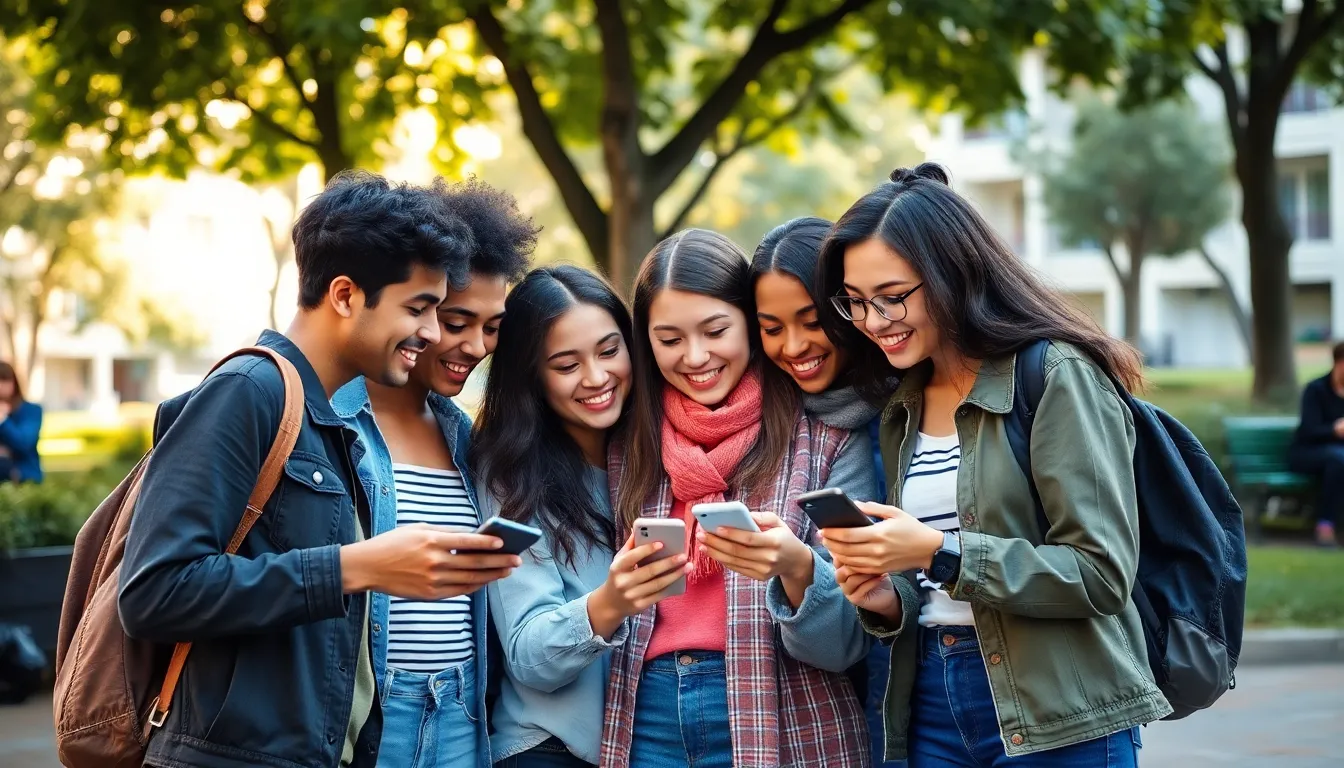
Mobile social networks feature several key elements that enhance user engagement and interaction. These attributes set them apart from traditional social platforms.
User Interactivity
User interactivity stands central to mobile social networks. Platforms enable real-time connections through features like comments and direct messaging. Users often engage through likes, shares, and reactions, fostering vibrant discussions. Push notifications keep users informed about interactions, ensuring they stay engaged with content. Gamification elements, such as badges and leaderboards, encourage participation and reward contributions. This high level of interactivity enhances user satisfaction and loyalty, creating a sense of community among members.
Content Sharing Mechanisms
Efficient content sharing mechanisms define the functionality of mobile social networks. Users can easily upload and share diverse content types, including photos, videos, and live streams. Platforms often integrate with other apps, allowing seamless sharing across different services. Unique algorithms prioritize and personalize users’ feeds based on interactions and preferences. Features like stories and ephemeral content promote creative expression, allowing users to share moments that disappear after 24 hours. This dynamic approach to content sharing keeps networks fresh and engaging, encouraging continuous user participation.
Popular Mobile Social Networks
Mobile social networks play a significant role in online interactions. Here are some of the most prominent platforms:
Facebook remains a leading mobile social network, with over 2.9 billion monthly active users. It allows users to connect with friends and family through posts, photos, and videos. Features such as groups and events foster community engagement. Businesses leverage Facebook’s advertising tools to reach targeted audiences effectively. The platform continuously updates its algorithms, ensuring users see relevant content. Additionally, Facebook offers live streaming and stories, enhancing real-time interaction among users.
Instagram, popular for visual content, boasts over 1 billion monthly users. The platform focuses on photo and video sharing, appealing to a younger demographic. Stories and reels provide engaging formats for users to express creativity. Brands utilize Instagram for marketing, integrating influencers into their strategies. Engagement metrics like likes, comments, and shares promote community interaction. Users appreciate the personalized feed generated by algorithms that cater to interests. Hashtags play a crucial role in content discovery, making it easier for users to find relevant posts.
TikTok
TikTok has surged in popularity, attracting over 1 billion monthly active users. This platform emphasizes short-form videos, encouraging creativity and entertainment. Advanced editing tools allow users to produce engaging content easily. The algorithm promotes viral trends, enabling even new creators to gain visibility quickly. Brands partner with creators for authentic marketing, enhancing audience connection. Challenges and hashtags drive community participation, making trends easily accessible. With features like duets and stitching, users can collaborate, further enriching the platform’s interactive nature.
Impact on Society
Mobile social networks shape the way people communicate and connect, profoundly influencing daily interactions and cultural trends.
Communication and Connectivity
Mobile social networks redefine communication by enabling instant contact. Users can engage through various formats, including text, video calls, and shared media. Real-time conversations strengthen connections, regardless of geographic barriers. Notifications prompt timely engagement, ensuring users stay informed about friends and events. These platforms also facilitate group discussions, allowing communities to form around shared interests. As a result, individuals experience a sense of belonging and support that transcends traditional boundaries.
Influences on Culture
Mobile social networks play a crucial role in shaping contemporary culture. Trends often emerge and spread rapidly through these platforms, with users adopting and adapting new ideas. Viral challenges and memes reflect societal values and humor, influencing behaviors and perceptions. Furthermore, these networks amplify diverse voices, allowing underrepresented groups to share their stories and perspectives. Creativity flourishes as users express themselves through innovative content, such as short videos and visual art. Influencer culture also stems from mobile social networks, affecting consumer choices and brand interactions, thus transforming traditional marketing.
Future Trends in Mobile Social Networks
Mobile social networks continuously evolve, affecting how users interact and share their experiences. Numerous trends are shaping the future landscape.
Emerging Technologies
Artificial intelligence (AI) plays a significant role in enhancing user experiences. Machine learning algorithms personalize content feeds, ensuring users see relevant posts. Augmented reality (AR) also transforms interactions by allowing users to create immersive experiences. Virtual reality (VR) may soon offer unique, engaging environments for socializing. Furthermore, the integration of blockchain technology can enhance transparency and security in transactions on these platforms. These emerging technologies collectively drive innovation and engagement in mobile social networks.
User Privacy and Security
User privacy concerns increasingly influence mobile social networks. Data protection regulations, like the General Data Protection Regulation (GDPR), shape platform policies. Enhanced encryption methods help safeguard user data, building trust in these networks. Users expect transparency regarding data collection and usage practices. Moreover, social networks implement robust security features, such as two-factor authentication, to defend against unauthorized access. As privacy becomes a priority, companies must continually adapt to meet users’ evolving expectations.
Mobile social networks have become vital in shaping how individuals connect and communicate. Their ability to facilitate real-time interactions and foster communities is unmatched. As technology continues to evolve, these platforms are likely to integrate even more advanced features, enhancing user engagement and creativity.
The focus on user privacy and security will also play a crucial role in the future of mobile social networks. As people become more aware of their digital footprints, platforms must prioritize transparency and data protection. Ultimately, mobile social networks are not just tools for communication; they are transforming the very fabric of social interactions in today’s society.