Fostardu might sound like a fancy dish from a five-star restaurant, but it’s actually a delightful culinary adventure waiting to happen in your own kitchen. Imagine impressing friends and family with a dish that’s both exotic and surprisingly easy to whip up. If you think cooking is only for chefs in tall hats, think again! With a little guidance, anyone can master the art of fostardu.
What Is Fostardu?
Fostardu is a traditional dish rich in flavor and cultural significance. Originating from Mediterranean cuisine, it features a unique combination of ingredients that create a delightful taste experience. Chefs prepare it using various types of meat, often complemented by vegetables and aromatic spices.
The dish stands out due to its colorful presentation, making it visually appealing. People often use lamb, chicken, or beef for the meat component, ensuring tenderness and flavor. Cooked slowly, the meat absorbs the spices and flavors, enhancing the overall taste.
Vegetables such as bell peppers, tomatoes, and onions frequently accompany the meat, adding both texture and additional layers of flavor. Spices like cumin, paprika, and coriander elevate the dish, creating a warm, inviting aroma that fills the kitchen.
Fostardu sometimes includes rice or couscous as a side, providing a hearty base that balances the rich flavors of the main dish. This combination makes it ideal for gatherings and special occasions.
Vegetarian variations exist, where cooks substitute meat with hearty legumes or seasonal vegetables to create a delicious plant-based alternative. Each variation brings its own unique twist to the dish while maintaining the essence of the original recipe.
Fostardu represents a celebration of flavors and culinary traditions, inviting anyone to enjoy its delicious taste and rich history. The simple yet sophisticated nature of this dish makes it a favorite among both novice and experienced cooks.
Ingredients Needed
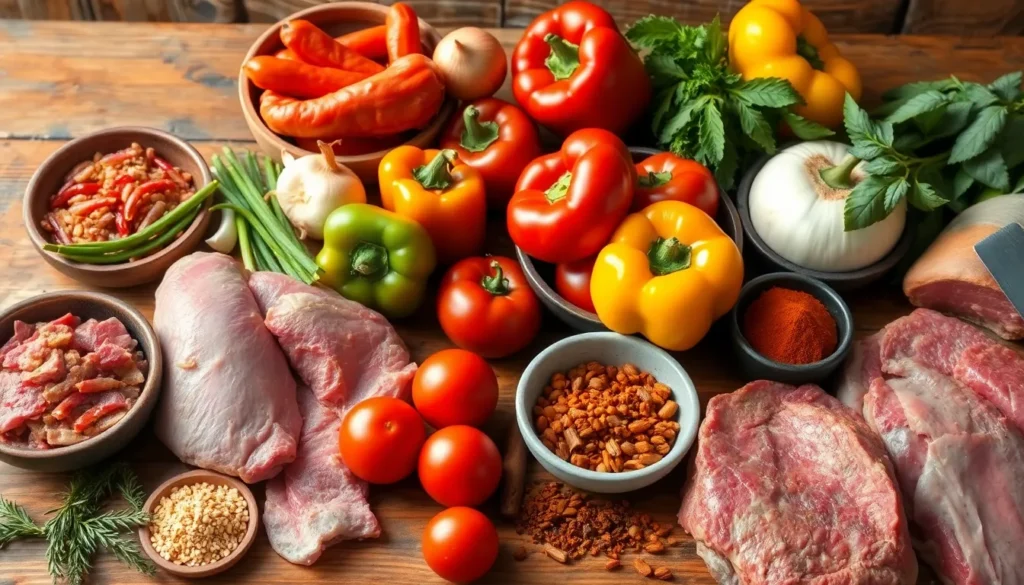
Fostardu requires a selection of both essential and optional ingredients to create its rich flavors. Gathering these components ensures a delicious outcome.
Essential Ingredients
Key ingredients define fostardu’s unique taste and appeal. Lamb, chicken, or beef serves as the primary protein, providing flavor and texture. Colorful vegetables like bell peppers, tomatoes, and onions enhance the dish’s visual appeal and nutritional value. Aromatic spices, including cumin, paprika, and coriander, infuse the meal with warmth and depth. Additionally, rice or couscous acts as a perfect base, absorbing the dish’s rich juices.
Optional Ingredients
Customization enhances fostered experience with optional ingredients. Adding chickpeas or lentils introduces a hearty, protein-rich element, perfect for vegetarian variations. Seasonal vegetables like zucchini or eggplant offer fresh flavors and textures. Fresh herbs, such as parsley or mint, brighten the dish and add a burst of freshness. Using preserved lemons can lend a tangy twist, complementing the existing flavors beautifully.
Preparation Steps
Preparation is key to creating a delicious fostardu. The following steps ensure that every component shines in flavor and presentation.
Cleaning the Fostardu
Cleaning the meat starts with rinsing it under cold water. The goal is to remove any residuals that may affect taste. After rinsing, pat the meat dry with paper towels. Gristle and excess fat should be trimmed to enhance tenderness. Any hidden bones should also be removed, ensuring safety while eating. Following these steps, transfer the cleaned meat to a large bowl for seasoning.
Prepping Additional Ingredients
Chop vegetables like bell peppers, tomatoes, and onions into uniform pieces for even cooking. Mince fresh herbs such as parsley or cilantro to infuse the dish with flavor. Measure spices like cumin, paprika, and coriander accurately; precise quantities enhance the overall taste. Optional ingredients like chickpeas or lentils should be rinsed and drained if using canned versions. Combine the ingredients in separate containers for easy access during cooking. This organized approach streamlines the process, making the cooking experience enjoyable.
Cooking Techniques
Different techniques exist for preparing fostardu, each enhancing its flavors and textures. The following methods, boiling and baking, offer diverse approaches to cooking this Mediterranean dish.
Boiling Method
Boiling is a straightforward method that preserves the juicy tenderness of the meat. Heating a large pot of water, the cook can add chunks of meat alongside chopped vegetables. Ingredients such as bell peppers, tomatoes, and spices like cumin and paprika should also be incorporated. Cooking on medium heat for 45 to 60 minutes allows flavors to meld, creating a rich broth. Regularly skimming off foam ensures clarity while preserving taste. Once the meat is tender, garnishing with fresh herbs adds a vibrant finish.
Baking Method
Baking provides a different texture and concentrated flavors for fostardu. Preheating the oven to 375°F prepares for a slow and thorough cooking process. In a large baking dish, the meat should be layered with chopped vegetables, spices, and a splash of broth. Ensuring even layering guarantees consistent cooking. Covering the dish with aluminum foil prevents moisture loss, baking for about 1.5 to 2 hours achieves a flavorful result. Uncovering for the last 20 minutes allows for a delightful golden crust, enhancing visual appeal and enjoyment.
Serving Suggestions
Fostardu stands out when served with rice or couscous, enhancing its traditional appeal. Pairing the dish with a fresh salad balances the meal, adding a refreshing crunch to the rich flavors. Complementing it with homemade flatbreads allows diners to scoop and savor every bite, creating an interactive dining experience.
Garnishing fostardu with fresh herbs, such as parsley or cilantro, elevates its presentation and adds a burst of flavor. Including a side of tangy yogurt or tzatziki sauce offers a creamy contrast, cooling down the spices while enriching the overall taste. For a more vibrant touch, opt for pickled vegetables, which provide acidity and texture.
When hosting gatherings, consider presenting fostardu in a large, visually appealing serving dish. A colorful table setting, featuring vibrant tableware and decorations, can enliven the dining atmosphere. Creating small plates of assorted appetizers can tantalize guests, paving the way for the main course.
Serving the dish during special occasions can enhance its cultural significance and invite culinary exploration. Offering vegetarian variations alongside the traditional version accommodates diverse dietary preferences while maintaining the shared experience. Additionally, showcasing regional wines or complementing beverages can enrich the dining experience.
Incorporate seasonal ingredients, adjusting the side dishes to align with local produce for a fresh and wholesome meal. Experimenting with various spice blends can also customize fostardu, catering to different palates and preferences. Each of these suggestions ensures that every dining experience featuring fostardu remains memorable and delicious.
Cooking fostardu can be a rewarding experience that brings friends and family together. With its rich flavors and vibrant presentation it’s sure to impress anyone at the table. The adaptability of this dish allows cooks to experiment with various ingredients and techniques making it a versatile option for any occasion.
Whether opting for traditional meat or exploring vegetarian alternatives, fostering creativity in the kitchen is key. By embracing the cooking process and enjoying the journey of preparing fostardu, anyone can create a memorable meal that celebrates culinary traditions. So gather the ingredients and get ready to savor the delightful taste of fostardu.