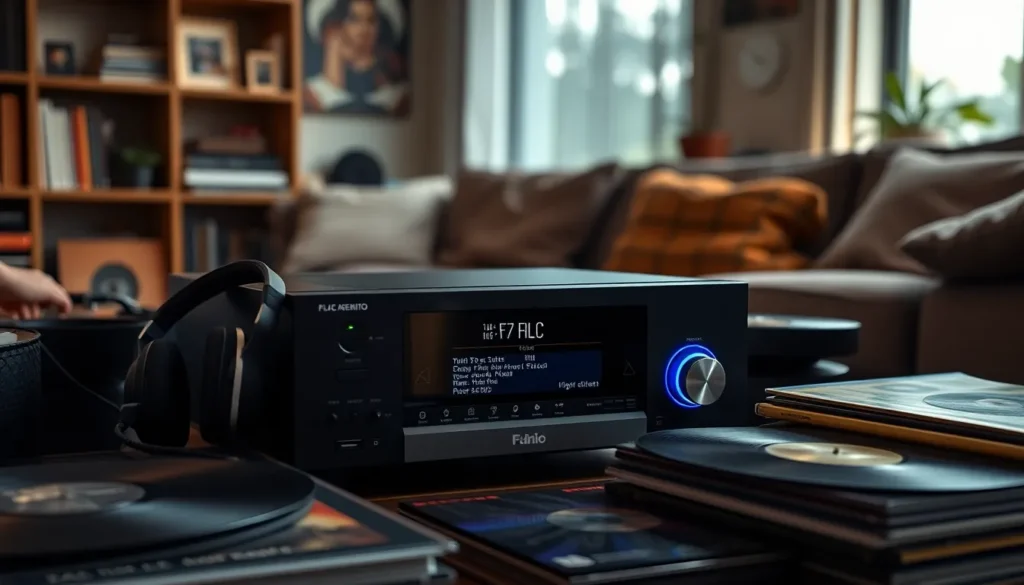
In a world where music lovers crave the purest sound, the FLAC audio format stands out like a unicorn in a sea of ordinary horses. Short for Free Lossless Audio Codec, FLAC offers high-quality audio without sacrificing file size, making it the superhero of sound formats. Imagine enjoying your favorite tunes in stunning clarity while your storage space remains intact—sounds like a dream, right?
Overview Of FLAC Audio Format
FLAC stands for Free Lossless Audio Codec, designed to deliver high-quality audio without sacrificing file size. This format appeals to audiophiles due to its ability to compress files while maintaining original sound fidelity.
What Is FLAC?
FLAC is an open-source audio format that allows users to store audio data losslessly. Unlike lossy formats, FLAC preserves every single detail of the original recording. It achieves this by compressing audio files without losing quality, making it ideal for music collections that demand clarity.
Key Features of FLAC
FLAC boasts several important features that distinguish it from other audio formats. First, it supports high-resolution audio, enabling playback of recordings at various sample rates and bit depths. Second, it offers efficient compression, typically reducing file sizes by 30% to 60% while retaining the full audio quality. Third, FLAC files include metadata, such as artist information and track details, enhancing user experience. Additionally, it supports streaming, allowing music to be transmitted smoothly over the internet.
Benefits of Using FLAC Audio Format
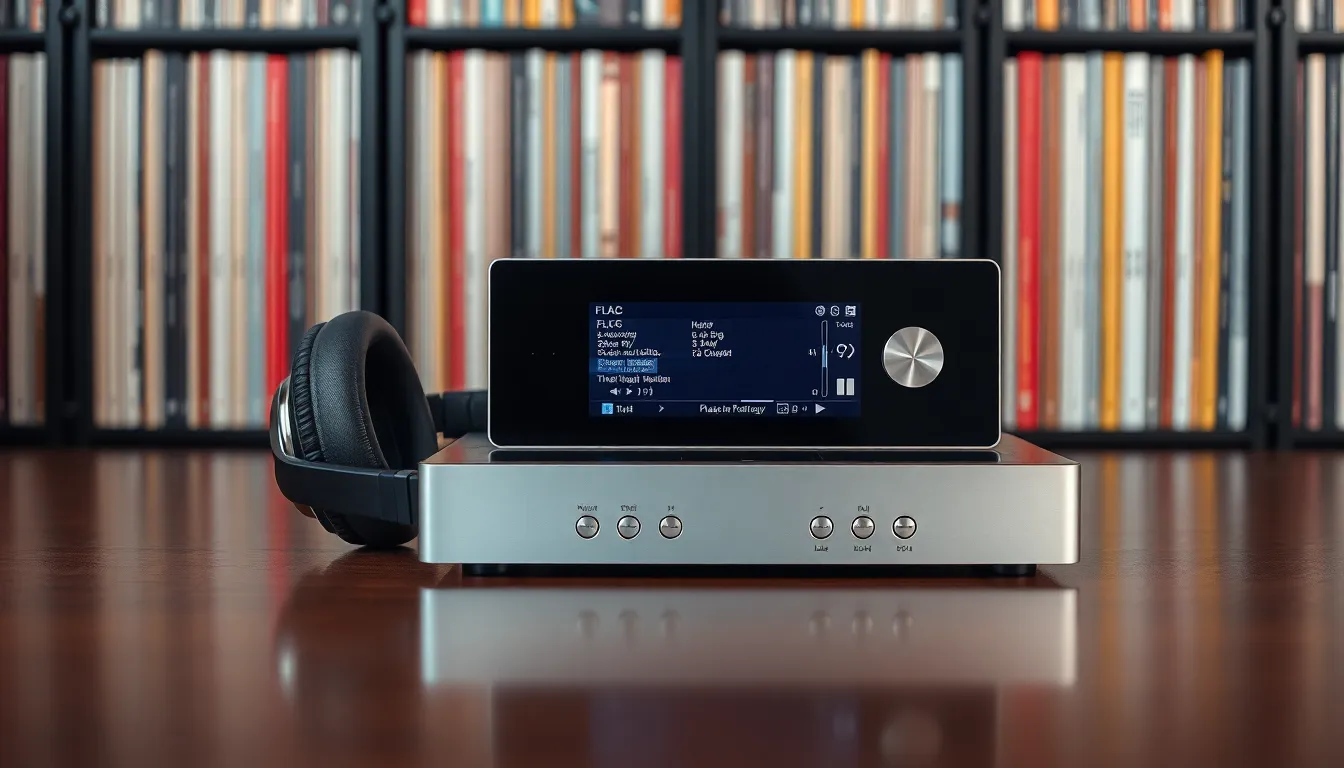
FLAC audio format presents several advantages for users who prioritize sound quality and efficient storage. Each benefit enhances the overall listening experience.
Lossless Compression Explained
Lossless compression allows FLAC to reduce file sizes without sacrificing audio quality. This means users can enjoy music in its original form, preserving every detail from the recordings. Compression rates typically range from 30% to 60%, offering significant storage savings. The open-source nature of FLAC means others can access and utilize this compression technology freely. Users gain the ability to manage large music libraries easily, maximizing available storage space while enjoying high-quality sound.
Improved Sound Quality
Sound quality remains a primary focus with FLAC, appealing to audiophiles and casual listeners alike. Unlike lossy formats, FLAC retains all audio information, ensuring a richer listening experience. High-resolution recordings shine in this format, allowing users to appreciate nuances often missed in lower-quality formats. The clarity of instruments and vocals becomes apparent, enhancing enjoyment while listening. Furthermore, the encoding process ensures that every playback evokes the artist’s original intent, delivering an authentic and immersive experience.
Comparing FLAC with Other Audio Formats
FLAC stands out in comparison to other audio formats due to its unique specifications.
FLAC vs. MP3
FLAC maintains lossless audio quality, while MP3 sacrifices some sound to achieve smaller file sizes. Users appreciate that FLAC compresses audio without losing detail, unlike MP3, which applies lossy compression. FLAC files typically occupy more space, but they provide superior audio fidelity. Audiophiles often prefer FLAC for critical listening situations, whereas casual listeners might favor MP3 for convenience and portability. While MP3 files are widely compatible across devices, FLAC support is growing among modern players.
FLAC vs. WAV
FLAC differs from WAV in compression methods. WAV files store uncompressed audio, leading to larger overall sizes, often requiring vast storage space. In contrast, FLAC offers lossless compression, reducing file sizes by 30% to 60% without any loss in quality. Users enjoy the balance FLAC provides between size and fidelity, making it practical for those with extensive music collections. WAV retains the purest form of a recording, which benefits professional settings, yet FLAC’s metadata capabilities enhance user experience significantly. Both formats serve different needs, with FLAC appealing to storage-conscious enthusiasts.
How to Play FLAC Files
Playing FLAC files requires appropriate devices or software that support this audio format. Users can enjoy lossless audio on various platforms, ensuring a rich listening experience.
Supported Devices and Software
Many devices and software options support FLAC playback. Smartphones, tablets, and computers are commonly compatible. Most modern media players like VLC and Foobar2000 are excellent choices. Additional support comes from dedicated hardware like high-resolution audio players. Popular streaming devices also recognize FLAC, allowing seamless integration into home audio systems. Audiophiles appreciate that many USB DACs enhance the experience by decoding FLAC files effectively. Overall, the versatility in device compatibility means listening options are abundant.
Best FLAC Media Players
Several media players excel in handling FLAC files. VLC Media Player offers comprehensive format support and is available on multiple operating systems. Foobar2000 stands out for its customizable interface and lightweight design. AIMP delivers a user-friendly experience with a variety of features tailored for audiophiles. JRiver Media Center boasts powerful library management tools, ensuring efficient organization of large music collections. Additionally, MusicBee offers seamless integration with streaming services and a robust media library. Each option presents unique features, appealing to different user preferences while ensuring high-quality audio playback.
Choosing FLAC as an audio format is a smart decision for anyone who values sound quality and efficient storage. Its ability to compress audio without losing any detail makes it a top choice for both audiophiles and casual listeners alike. With support for high-resolution audio and seamless streaming capabilities, FLAC caters to a wide range of preferences.
As technology continues to evolve, the importance of high-quality audio remains constant. By embracing FLAC, users can ensure they’re getting the best possible listening experience while managing their music libraries effectively. Whether through dedicated hardware or versatile media players, enjoying FLAC files is an accessible way to elevate one’s audio experience.