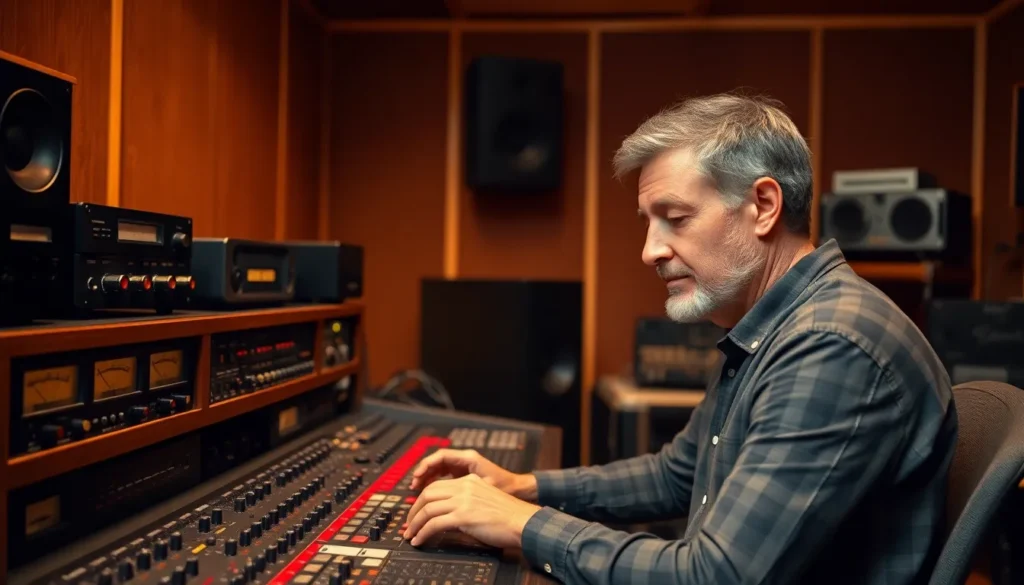
In a world dominated by digital perfection, analog mastering gear stands out like a vintage wine at a soda convention. It brings warmth and character that digital tools just can’t replicate. For audiophiles and music producers alike, this gear isn’t just a tool; it’s the secret sauce that transforms a good mix into a masterpiece.
Imagine your favorite track, polished to perfection with the rich, creamy texture only analog can provide. From tube compressors to tape machines, these devices add depth and emotion that digital processing often misses. Whether you’re a seasoned pro or a curious newbie, diving into the world of analog mastering gear might just be the best decision you make for your sound. So, let’s explore why these timeless tools deserve a place in your studio—and maybe even in your heart.
Overview of Analog Mastering Gear
Analog mastering gear plays a significant role in shaping the final sound of a music production. Various types of equipment contribute to this process, including tube compressors, equalizers, and tape machines. Each of these tools offers distinct characteristics that enhance audio quality.
Tube compressors provide warmth and smoothness, which digital compressors frequently lack. By using electrical tubes, they alter waveforms, adding harmonic richness to tracks. Equalizers enable engineers to adjust frequencies, allowing for precise tonal control within a mix.
Tape machines, another key component, introduce a unique saturation effect that enhances overall sound. The magnetic tape used in these machines imparts a natural compression and harmonic distortion, enriching the audio and making it livelier.
Using multiple mastering processors often leads to even better results. Each device in the chain contributes an individual sonic signature, ultimately elevating the production quality. Combining different types of analog equipment enables music producers to achieve a more complex and dynamic final mix.
Mixing and mastering specialists favor analog gear for these reasons. Their preference stems from the desire for an aesthetic that transcends digital limitations. Many have found that analog gear not only improves sound quality but also fosters creativity during the mastering process.
Incorporating analog technology into modern studios solidifies its ongoing relevance. Audiophiles and producers alike recognize its value, proving that the charm of analog gear endures in an ever-evolving music landscape.
Key Components of Analog Mastering Gear
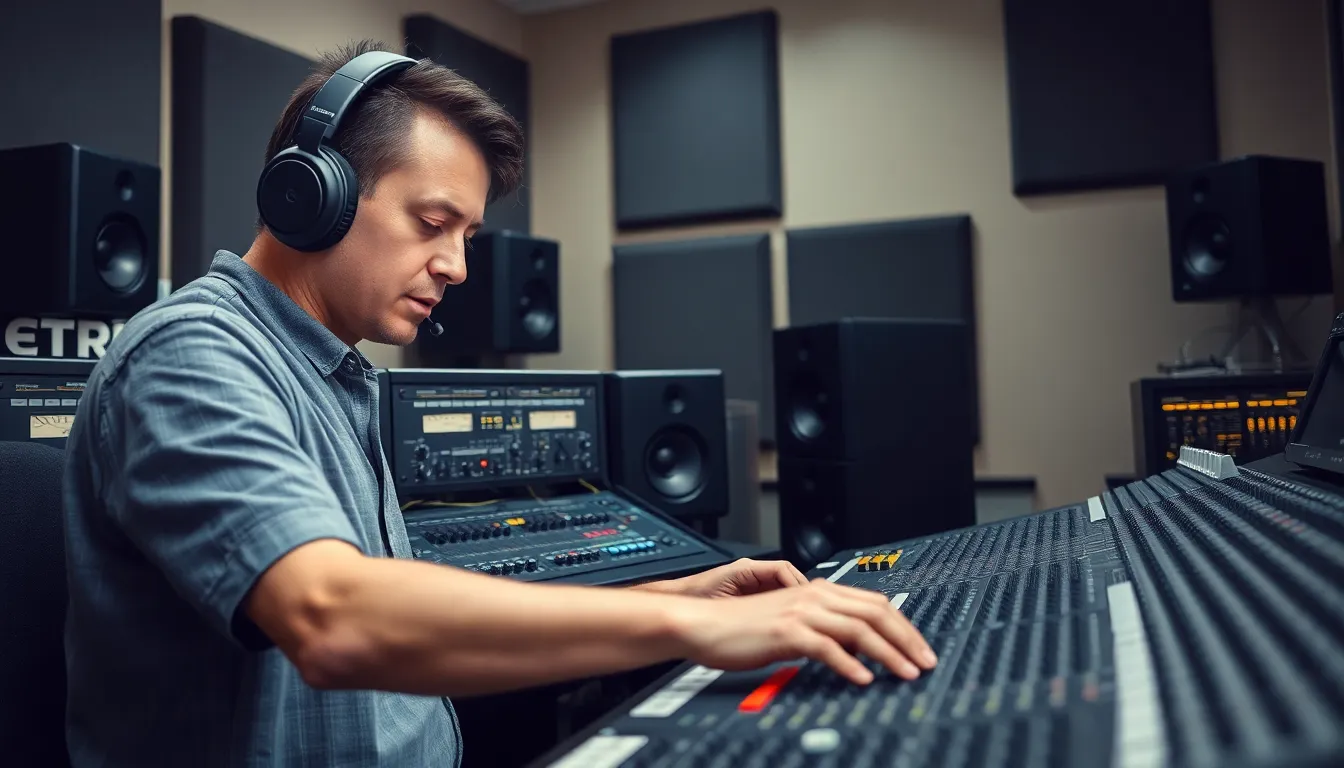
Analog mastering gear consists of several essential components that contribute to the sound quality and character of music productions. These components play unique roles, each providing distinct sonic features.
Equalizers
Equalizers enhance tonal balance by adjusting specific frequency ranges within audio tracks. They allow for precise control over bass, mids, and treble, enabling sound engineers to shape the overall mix. Two types of equalizers are commonly used: parametric and graphic. Parametric equalizers offer adjustable frequency, gain, and bandwidth, while graphic equalizers feature fixed frequency bands. Adjustments can create clarity or warmth, improving the listening experience. Employing equalizers effectively increases the spatial quality of music, ensuring each element occupies its own sonic space.
Compressors
Compressors manage dynamic range by controlling volume fluctuations in audio signals. Their primary function is to reduce loud peaks while boosting quieter sounds, resulting in a balanced mix. Tube compressors, in particular, add warmth and character, enhancing overall sound quality. Different compressor types, such as FET, VCA, and optical, provide varying degrees of coloration and response. Output gain compensates for volume loss after compression, preserving the track’s loudness. Using compressors strategically contributes to a polished final master, making the music more cohesive and enjoyable.
Limiters
Limiters prevent audio signals from exceeding a set threshold, ensuring no distortion occurs during playback. As a final safeguard in the mastering process, they maintain a consistent volume level. Their main use is to increase the overall loudness of tracks while preserving sound quality. Limiters apply a fast attack and release, allowing for seamless integration within a dynamic mix. Many sound engineers appreciate the transparency of analog limiters, which applies limiting without noticeable artifacts. Integrating limiters into the mastering chain optimizes the production for various playback systems.
Benefits of Using Analog Mastering Gear
Analog mastering gear offers several advantages that distinctly enhance music production. Its capabilities resonate with professionals aiming to refine sound quality and add character.
Sound Quality
Superior sound quality stands out as a significant benefit of analog gear. Warmth and richness characterize recordings, creating a more immersive listening experience. Analog devices like tape machines introduce gentle harmonic distortion, enriching the audio signal. Such qualities often evade digital tools, which can render sound too sterile or flat. Producers observe that benefits amplify when using tube compressors, which smooth out dynamics while preserving musical nuance. This nuanced approach enhances clarity across frequency ranges, making each element of a mix shine.
Character and Warmth
Character and warmth define much of what analog gear brings to modern music. Each piece of analog equipment imparts its unique sonic signature, infusing tracks with depth and emotion. For instance, tube compressors add pleasing saturation that enhances vocals and instruments. Many mixers prefer this analog warmth because it fosters a more engaging listening experience. That’s not all; tape machines bring an exceptional depth that enriches the overall sound. As a result, artists and engineers appreciate the distinctive qualities that analog gear offers, aligning perfectly with creative expression in the studio.
Comparison with Digital Mastering Equipment
Analog mastering gear contrasts significantly with digital mastering equipment in several key areas. For instance, analog devices like tube compressors and tape machines deliver warmth and character that often elude digital alternatives. Digital mastering, typically noted for its precision, sometimes falls short in replicating the richness found in analog recordings.
Warmth and depth characterize the aural signature of analog equipment, resulting in a more immersive listening experience. Digital tools, although efficient, may lack this sense of musicality. Tube compressors, specifically, smooth out dynamics without sacrificing the nuances of sound, which can be a challenge for digital compressors.
Control over frequency range differs between the two realms as well. While digital equalizers offer extensive options, analog equalizers—like parametric and graphic versions—impart unique tonal qualities that enhance clarity and warmth. Engineers often cherish the distinctiveness of sounds shaped by analog equalizers.
Dynamic range management also varies. Analog compressors contribute to polished mixes with a natural feel, whereas digital limits can sometimes lead to a sterile sound. Limiters in both formats serve to prevent distortion, but digital limiters may clip transients, affecting overall sound quality.
Ultimately, blending these approaches can yield the best results. Combining analog warmth with digital precision creates a hybrid sound that harnesses the strengths of both methods. Producers and mixing specialists frequently experiment with both formats, seeking a balance that fosters creativity while retaining character and depth.
Popular Analog Mastering Gear Brands
Several brands are renowned for their contributions to analog mastering gear.
Manley Labs is recognized for its tube compressors, particularly the Manley Variable Mu. This product has made a significant impact on the industry, known for its ability to impart warmth and depth to mixes.
API offers an array of analog equipment, including its popular 2500 bus compressor. This unit is renowned for its punchy sound and flexibility, making it a favorite among mastering engineers.
SSL (Solid State Logic) delivers exceptional quality with its G-Series mastering equalizer. This gear is praised for its ability to enhance tonal clarity and balance in final mixes.
Neve stands out for its classic consoles and outboard gear. The Neve 33609 compressor remains a staple in many studios, known for its rich character and smooth compression.
Pultec equalizers represent another iconic option, offering unique tonal shaping. Their EQP-1A is famous for its ability to create a warm and inviting sound, preferred by many artists.
Tascam provides reliable tape machines, known for their durability and sound quality. The Tascam 388, for instance, is sought after for its ability to add natural warmth to recordings.
Studer manufactures high-end tape recorders such as the Studer A827. This machine is cherished for its precision and ability to deliver superior sound reproduction.
Warm Audio emphasizes affordability while not sacrificing quality. The WA-2A compressor emulates the classic LA-2A, providing smooth compression suitable for mastering applications.
Each of these brands showcases a commitment to superior sound quality, making them essential considerations for analog mastering gear.
Embracing analog mastering gear offers a distinctive approach to music production that stands out in today’s digital landscape. Its ability to impart warmth and character enriches audio in ways that digital tools often can’t replicate. The unique sonic signatures of various analog devices enhance emotional depth and clarity, making them invaluable in the mastering process.
As artists and engineers continue to seek creative expression, the enduring relevance of analog technology becomes increasingly apparent. Blending analog warmth with digital precision allows for innovative soundscapes that resonate with listeners. By exploring the benefits of analog gear, producers can elevate their music to new heights, capturing the essence of their artistic vision.